
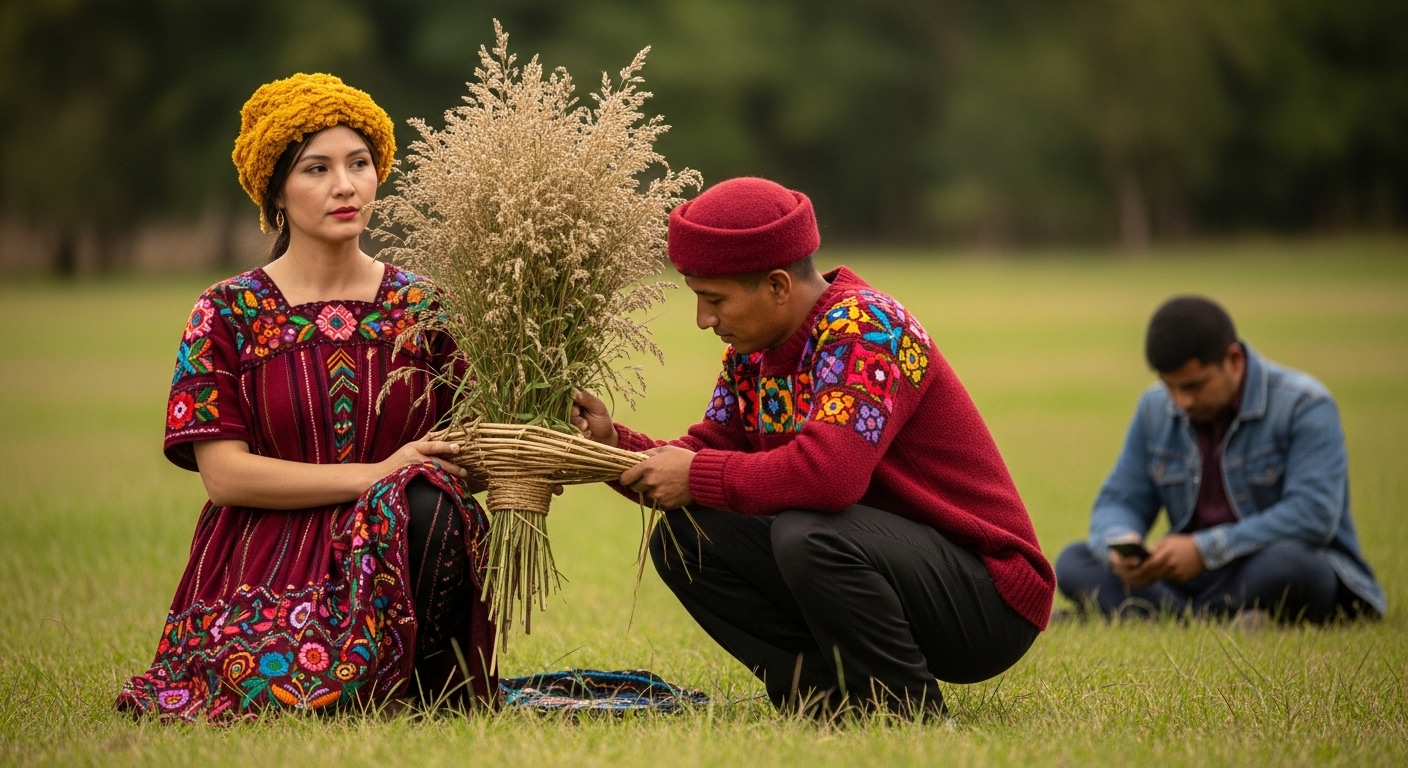
Jipinfeiche is more than just an art form; it’s a vibrant expression of culture and creativity that has captivated hearts for generations. This intricate practice weaves together history, tradition, and skill to create stunning works of art that tell stories as old as time. Whether you’re an artist seeking inspiration or simply curious about this fascinating craft, the world of Jipinfeiche offers endless avenues for exploration. Dive in with us as we unravel its rich tapestry—discovering techniques, tools, and cultural significance along the way. Welcome to a journey through the enchanting realm of Jipinfeiche!
History and Origins of Jipinfeiche
The roots of Jipinfeiche stretch deep into the cultural tapestry of its homeland. Emerging centuries ago, this art form flourished in communities where craftsmanship and storytelling intertwined seamlessly.
Originally, artisans created Jipinfeiche pieces to serve practical purposes in daily life. Over time, these objects transformed into expressions of identity and heritage. Each stroke and design reflected the beliefs and values of the people who crafted them.
Influences from various historical periods shaped its evolution. Trade routes brought new ideas and techniques, enriching the tradition further. As generations passed down knowledge, they infused personal stories into their creations.
Today’s artists pay homage to those origins while innovating within the framework established by their ancestors. This connection between past and present is what makes Jipinfeiche a vibrant part of cultural expression today.
Techniques and Tools Used in Jipinfeiche
Jipinfeiche is a mesmerizing art form that relies on both skill and precision. The techniques used by artisans vary widely, each reflecting personal style while honoring tradition.
One of the most common methods involves intricate layering. Artists often apply pigments in multiple stages, allowing colors to blend beautifully. This creates depth and richness that captivates viewers.
Tools play a crucial role in Jipinfeiche as well. Traditional brushes made from animal hair are favored for their ability to hold paint and create fine details. There’s also an array of knives used for cutting delicate patterns into materials.
Additionally, many artists incorporate natural elements like stones or shells to enhance texture and visual interest. These tools help transform simple concepts into stunning masterpieces that resonate with cultural significance. Each stroke tells a story deeply rooted in history, making every piece unique.
Traditional Materials Used in Jipinfeiche Artwork
Jipinfeiche artwork thrives on the use of traditional materials that breathe life into each piece. At its core, clay serves as a fundamental medium. Artisans shape it with their hands, molding intricate designs that reflect cultural stories.
Natural pigments sourced from minerals and plants create vibrant colors. These hues are not just aesthetic choices; they convey emotions and meanings deeply rooted in tradition.
In contrast, fibers such as hemp or cotton play a crucial role in weaving textures into Jipinfeiche creations. This adds depth to the visual experience while maintaining connections to ancestral practices.
Another key element is wood, often used for tools or frames in larger installations. The warmth of wood brings an organic quality that resonates with viewers.
Each material contributes uniquely to the storytelling aspect of Jipinfeiche art, ensuring that every creation carries history within its form and texture.
Cultural Significance of Jipinfeiche in Society
Jipinfeiche is more than just an art form; it embodies cultural identity and heritage. This intricate craft often tells stories of ancestry, traditions, and communal values that resonate deeply within society.
Many artisans view Jipinfeiche as a means to preserve their history. Each piece reflects the unique narratives passed down through generations. It serves as a bridge connecting past and present.
Moreover, it fosters a sense of community among practitioners. Workshops and exhibitions bring people together, allowing for collaboration and shared learning experiences.
In today’s rapidly changing world, Jipinfeiche stands as a reminder of tradition amidst modernity. Its vibrant patterns echo the resilience of cultures striving to maintain their essence while adapting to new influences.
Artisans are increasingly using this medium to address contemporary issues too. Through innovative themes, they highlight social challenges while remaining rooted in traditional techniques.
Contemporary Adaptations and Modern Interpretations of Jipinfeiche
Contemporary adaptations of Jipinfeiche breathe new life into this traditional art form. Artists today blend age-old techniques with modern aesthetics, creating pieces that resonate with a younger audience.
In urban settings, murals inspired by Jipinfeiche grace city walls, transforming public spaces into vibrant galleries. These artworks often reflect contemporary societal issues, bridging the gap between tradition and modernity.
Digital platforms are also influencing Jipinfeiche’s evolution. Artists use social media to showcase their work, gaining followers who appreciate both its cultural roots and innovative interpretations.
Collaboration is key in these adaptations; artists from varied backgrounds come together to explore new themes while respecting the original essence of Jipinfeiche. This fusion creates exciting dialogues within the art community and beyond.
These modern interpretations serve not just as art but as a means of storytelling, proving that traditions can evolve without losing their core identity.
Conclusion: The Timeless Beauty and Relevance of Jipinfeiche Art
Jipinfeiche stands as a testament to the rich cultural tapestry it weaves through history and artistry. Its roots run deep, reflecting centuries of tradition while adapting to modern sensibilities. The techniques involved are both intricate and fascinating, showcasing the skill of artisans who dedicate their lives to perfecting their craft.
The materials used in Jipinfeiche artwork not only add depth but also connect artists with nature and heritage. Each piece tells a story, capturing emotions and experiences that resonate across generations. As society evolves, so does Jipinfeiche; contemporary interpretations breathe new life into age-old practices without losing touch with their origins.
This art form transcends mere aesthetics—it embodies identity, community values, and shared histories. Whether displayed in galleries or woven into everyday life, Jipinfeiche maintains its significance by inspiring dialogue about culture and creativity today.
With each brushstroke or handcrafted detail, the beauty of Jipinfeiche continues to captivate hearts around the world. It invites us all to appreciate not just art but the narratives that shape our existence within this vibrant global landscape.
 Alexander Hayes