
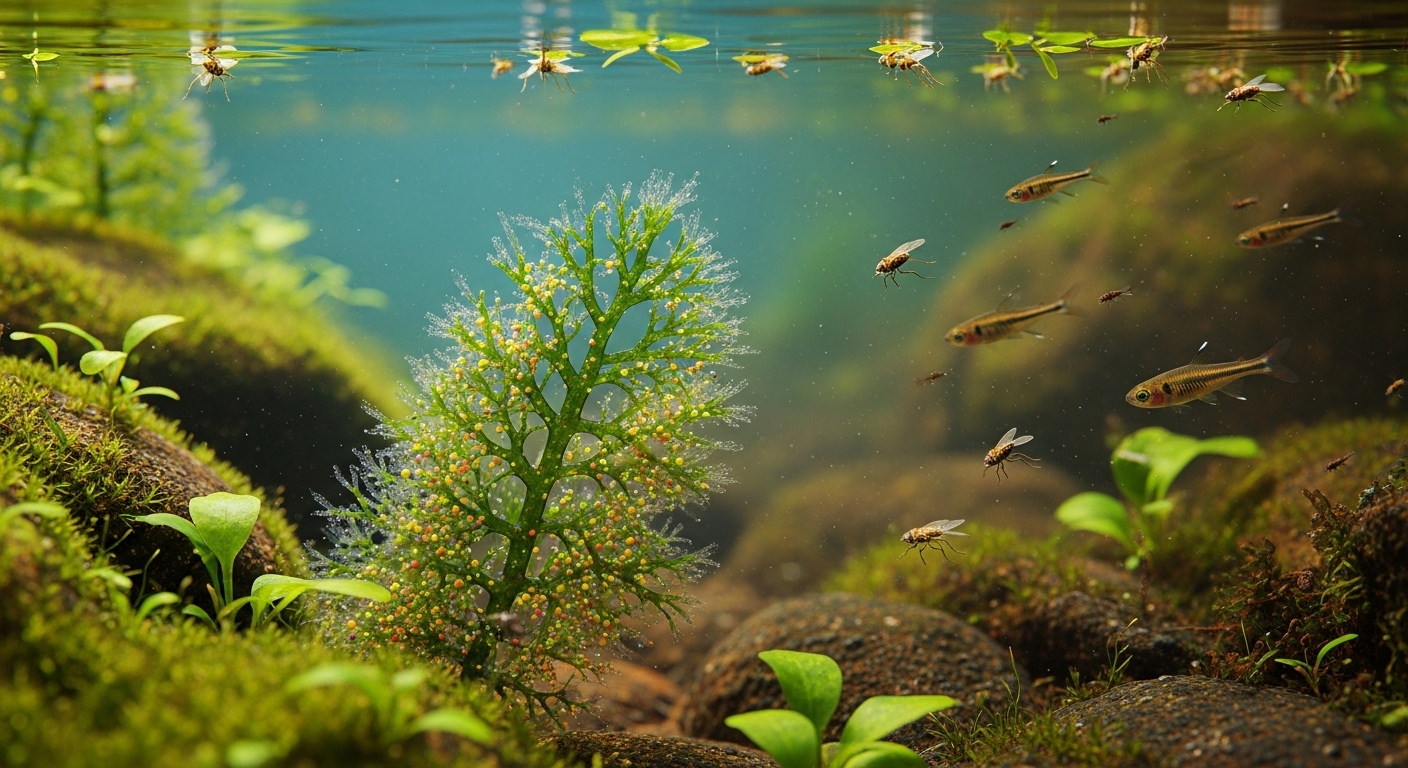
Clean water is essential for life. From drinking and agriculture to supporting ecosystems, water plays a critical role in our daily lives. However, pollution, waste, and excess nutrients are putting increasing pressure on natural water sources. This is where Hormita comes in—a powerful, eco-friendly solution designed to naturally purify water and restore balance to aquatic environments.
Hormita is gaining attention as a sustainable and effective way to improve water quality without relying on harsh chemicals or complex systems. In this article, we will explore what Hormita is, how it works, its benefits, and why it is becoming an important part of environmental protection.
What Is Hormita?
Hormita is a natural filtration solution that helps purify water by absorbing pollutants and excess nutrients. Acting like a sponge, it works within water systems to trap harmful substances and improve overall water quality.
Unlike traditional filtration methods that often require machinery or chemical treatments, Hormita relies on natural processes. This makes it both environmentally friendly and highly effective in maintaining cleaner waterways.
Hormita can be used in various environments, including:
- Rivers and streams
- Lakes and ponds
- Agricultural water systems
- Wastewater treatment areas
Its versatility makes it a valuable tool in both natural ecosystems and human-managed water systems.
Why Clean Water Matters
Before diving deeper into how Hormita works, it’s important to understand why water purification is so critical.
1. Protecting Human Health
Contaminated water can carry harmful bacteria, toxins, and pollutants that pose serious health risks. Clean water is essential for safe drinking, cooking, and sanitation.
2. Supporting Wildlife
Aquatic animals and plants depend on clean water to survive. Pollution can disrupt ecosystems, harm biodiversity, and even lead to species extinction.
3. Maintaining Ecosystem Balance
Excess nutrients, such as nitrogen and phosphorus, can cause issues like algae blooms. These blooms reduce oxygen levels in water, harming fish and other organisms.
Hormita helps address all of these challenges naturally and effectively.
How Hormita Works
Hormita functions as a natural filter, using its unique structure to absorb and remove unwanted substances from water.
Absorption of Pollutants
Hormita captures harmful materials such as:
- Heavy metals
- Chemical pollutants
- Organic waste
This prevents these substances from spreading and causing further damage.
Reduction of Excess Nutrients
Nutrients like nitrogen and phosphorus are essential in small amounts but harmful in excess. Hormita helps:
- Reduce nutrient overload
- Prevent algae blooms
- Maintain balanced water conditions
Improving Water Clarity
By removing impurities, Hormita enhances water clarity, making it cleaner and more visually appealing.
Supporting Natural Ecosystems
Hormita works in harmony with nature, allowing beneficial microorganisms to thrive while reducing harmful elements.
Key Benefits of Hormita
1. Eco-Friendly Solution
Hormita is completely natural and does not introduce harmful chemicals into the environment. This makes it safe for both humans and wildlife.
2. Cost-Effective
Compared to complex filtration systems, Hormita is a more affordable option. It requires minimal maintenance and can be used in a wide range of settings.
3. Sustainable Water Treatment
Hormita supports long-term water health by maintaining natural balance rather than disrupting it.
4. Easy to Use
It can be applied in different water bodies without the need for advanced technology or expertise.
5. Enhances Biodiversity
Cleaner water supports healthier ecosystems, allowing plants and animals to thrive.
Applications of Hormita
Hormita’s flexibility allows it to be used in many different scenarios:
1. Natural Water Bodies
In lakes, rivers, and ponds, Hormita helps reduce pollution and improve water quality.
2. Agriculture
Farming activities often introduce fertilizers and chemicals into water systems. Hormita helps absorb these substances, reducing environmental impact.
3. Wastewater Management
Hormita can be used in treatment systems to naturally filter wastewater before it is released back into the environment.
4. Urban Water Systems
In cities, Hormita can help manage stormwater and reduce pollution from runoff.
Hormita vs Traditional Filtration Methods
| Feature | Hormita | Traditional Methods |
|---|---|---|
| Chemicals | None | Often required |
| Environmental Impact | Low | Moderate to high |
| Cost | Affordable | Expensive |
| Maintenance | Minimal | High |
| Sustainability | High | Varies |
This comparison highlights why Hormita is becoming a preferred choice for eco-conscious water management.
The Environmental Impact of Hormita
One of the most important aspects of Hormita is its positive impact on the environment.
Reducing Pollution
By capturing pollutants, Hormita prevents them from spreading and harming ecosystems.
Restoring Ecosystems
Cleaner water allows aquatic life to recover and thrive.
Promoting Sustainability
Hormita supports natural processes, making it a long-term solution for water purification.
Future Potential of Hormita
As environmental challenges continue to grow, solutions like Hormita are becoming increasingly important. Future developments may include:
- Improved filtration efficiency
- Wider adoption in urban planning
- Integration with other eco-friendly technologies
Hormita has the potential to play a major role in global water conservation efforts.
Why Choose Hormita?
Choosing Hormita means choosing:
- A natural and safe solution
- Better water quality
- Environmental protection
- Sustainable living
It is a simple yet powerful way to make a positive impact on both local and global ecosystems.
Conclusion
Hormita represents a new way of thinking about water purification—one that works with nature rather than against it. By absorbing pollutants and excess nutrients, it helps create cleaner, healthier water for humans, wildlife, and the environment.
As the demand for sustainable solutions continues to grow, Hormita stands out as a reliable, eco-friendly option. Whether used in natural water bodies, agriculture, or urban systems, it offers a practical and effective way to protect one of our most valuable resources: water.
 Alexander Hayes