
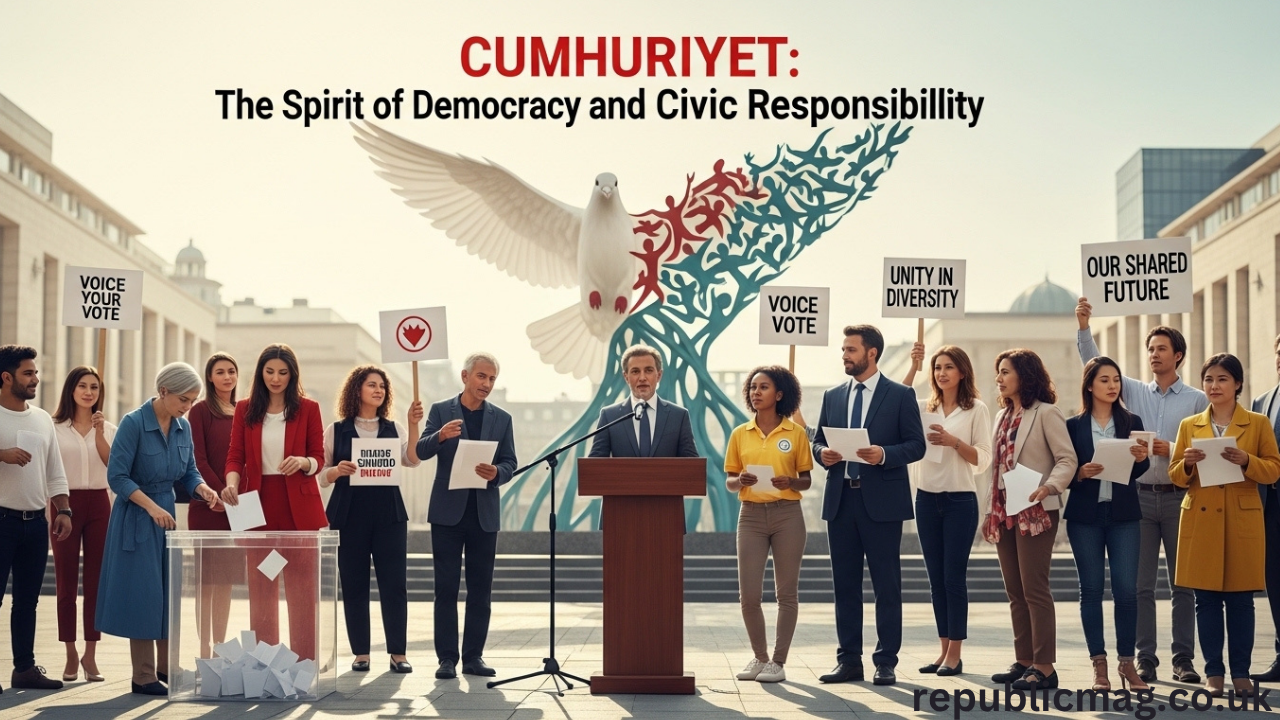
Cumhuritey is more than just a concept; it embodies the essence of democracy and civic responsibility. As citizens, we hold the power to shape our through active participation and engagement. When we think of governance, it’s easy to focus on elected officials or policies. Yet, at its core, true democracy flourishes when every individual recognizes their role within the community. This blog explores what cumhuritey means in today’s world, highlighting its historical roots and emphasizing its significance in fostering a vibrant democratic society. Join us as we delve into practical examples of cumhuritey in action and discover how each one of us can contribute to this vital spirit for a brighter future.
Definition and History
Cumhuritey, derived from the Turkish word for , signifies a commitment to democracy and civic engagement. It encapsulates the belief that governance is not solely a top-down process but involves every citizen actively participating in their community.
Historically, cumhuritey emerged as societies transitioned from monarchies to democratic forms of government. This shift emphasized individual rights and responsibilities, fostering an environment where citizens could voice their opinions and influence decisions.
The concept gained traction during pivotal moments in history, such as revolutions and movements advocating for civil rights. As countries embraced democratic ideals, cumhuritey became synonymous with active citizenship—encouraging individuals to take ownership of their roles within society.
Today, its legacy continues through grassroots initiatives aimed at empowering communities. Understanding this rich history helps us appreciate the ongoing relevance of cumhuritey in our lives today.
The Importance of Civic Responsibility in a Democratic Society
Civic responsibility is the backbone of a thriving democracy. It empowers individuals to actively participate in their communities and government.
When citizens engage, they shape policies that reflect their values. This involvement fosters accountability among leaders and strengthens democratic institutions.
Additionally, civic responsibility promotes social cohesion. When people collaborate on local issues, they build trust and understanding across diverse groups.
Education plays a crucial role here. Understanding rights and responsibilities encourages informed decisions at the ballot box and beyond.
Moreover, civic engagement nurtures future generations. Teaching young people about participation instills a sense of duty that can last a lifetime.
In essence, every action counts—whether voting, volunteering or advocating for change. Each contribution enhances the democratic fabric of society, creating spaces where everyone’s voice matters.
Examples of Cumhuritey in Action
One vivid example of cumhuritey in action is community volunteering initiatives. Local groups often come together to clean parks or assist in food drives, showcasing how individuals can contribute to the common good.
Another instance is grassroots movements advocating for social justice and equality. Citizens rallying together highlight their collective power and determination to effect change, making their voices heard through peaceful protests.
Engagement in local governance also serves as a prime illustration of cumhuritey. Town hall meetings allow residents to express concerns, suggest improvements, and participate actively in decision-making processes.
Educational programs that teach civic responsibility further embody this spirit. These initiatives empower young people with knowledge about their rights and duties within a democracy.
Digital platforms have enabled citizens to connect easily on various issues. Online petitions provide an accessible way for people to advocate for causes they care about, amplifying their impact across communities.
Nurturing Cumhuritey: Tips for Individuals and Communities
Nurturing cumhuritey starts at the individual level. Engage in your community by attending local meetings and voicing your opinions. Your voice matters, and participation fosters a sense of belonging.
Encourage dialogue among neighbors. Host informal gatherings to discuss civic issues or simply connect over shared interests. Building relationships strengthens communal bonds.
Education plays a vital role, too. Organize workshops that promote understanding of democratic principles and responsibilities. Knowledge empowers citizens to take active roles in governance.
Volunteering is another powerful way to embody cumhuritey. Whether it’s helping at a food bank or participating in clean-up drives, these actions can inspire others to contribute as well.
Support local initiatives that align with democratic values. This cultivates an environment where civic responsibility thrives, making communities resilient against challenges faced within society today.
Challenges to Cumhuritey and How to Overcome Them
Cumhuritey faces various challenges that can undermine its essence. Political apathy is a significant hurdle. When citizens disengage, the democratic spirit wanes.
Another obstacle is misinformation. In an age of digital communication, false narratives spread quickly. This can distort public opinion and erode trust in institutions.
Social divisions also threaten cumhuritey. Disparities in class or ideology create rifts between communities, leading to conflict rather than collaboration.
To combat these issues, education plays a pivotal role. Promoting media literacy helps individuals discern credible information from misleading content.
Encouraging civic engagement through local initiatives fosters a sense of belonging and responsibility among residents. Building inclusive platforms for dialogue allows diverse voices to be heard.
Strengthening community bonds can bridge gaps created by social division, paving the way for mutual understanding and cooperation moving forward.
The Impact of Cumhuritey on Society and Governance
Cumhuritey significantly shapes both society and governance. It fosters a culture of participation, where citizens feel empowered to voice their opinions.
When individuals take responsibility for civic engagement, it leads to more informed decision-making. This collective awareness can drive policy changes that reflect the true needs of the community.
Furthermore, Cumhuritey promotes transparency in government. When people hold leaders accountable, corruption diminishes and trust flourishes.
The social fabric strengthens as diverse voices come together. Communities become resilient hubs of collaboration rather than divisions.
Education plays a vital role in nurturing this spirit. Schools that emphasize civic duties help cultivate future generations who value democracy and active participation.
In essence, when citizens embrace cumhuritey, they create an environment ripe for innovation and progress. Their commitment inspires others to join the movement toward a healthier society and effective governance.
Embracing Cumhuritey for a Better Future
Embracing cumhuritey is essential for building a vibrant and resilient society. When citizens actively participate in governance, they cultivate an environment where everyone’s voice matters. This engagement fosters trust between the government and its people, leading to more representative decision-making.
Communities that prioritize cumhuritey can inspire future generations. By teaching the values of civic responsibility, individuals learn the importance of their role in shaping the world around them. Young minds become equipped not just with knowledge but also a sense of duty to contribute positively.
As we face challenges like inequality or environmental concerns, adhering to cumhuritey becomes even more crucial. It encourages collaboration among diverse groups, uniting efforts towards common goals such as social justice or sustainability initiatives.
Incorporating these principles into daily life enriches our communities and strengthens democracy itself. A commitment to cumhuritey is not only about today; it’s about laying foundations for tomorrow’s leaders and thinkers who will continue this legacy forward.
Together, by embracing this spirit deeply rooted in democratic ideals, we can work toward a brighter future—a society thriving on mutual respect, active participation, and responsible citizenship.
 Alexander Hayes